
Choosing between online and physical dog grooming courses depends on individual priorities. Online courses offer flexible pacing and lower costs but require self-discipline and rely on virtual instruction. Physical courses provide hands-on practice, direct expert feedback, and social interaction but involve higher fees and fixed schedules. Consider learning style, budget Pet Grooming Course, and need for in-person guidance. Exploring these aspects helps align the choice with personal goals and commitments, revealing which format best supports effective skill development.
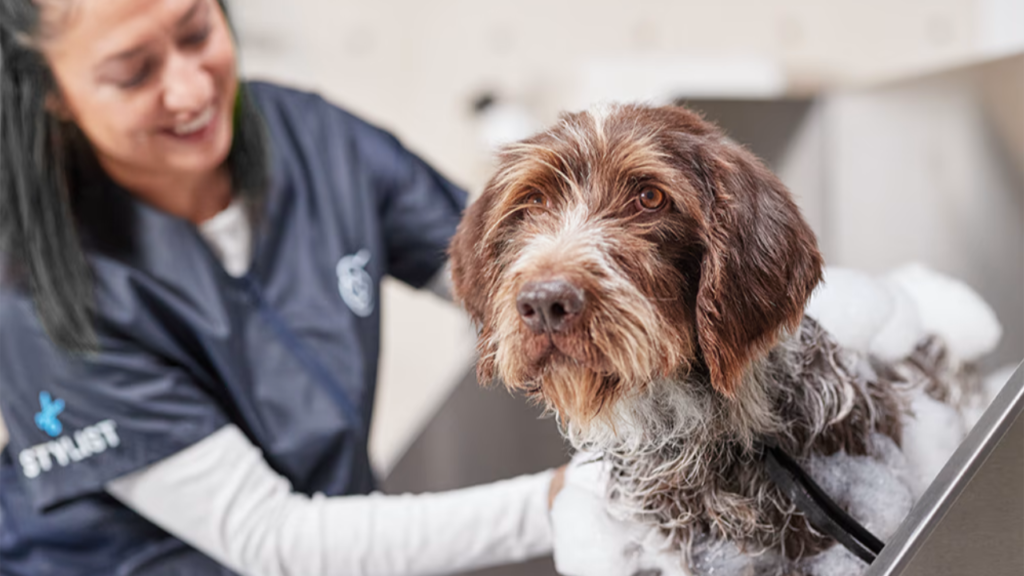
Expectations for Online vs. Physical Dog Grooming Courses
Although both online and physical dog grooming courses aim to equip students with essential skills, the expectations for each differ markedly with respect to learning environment, interaction Cosmos Pet universe, and hands-on experience.
Online courses offer flexibility, allowing learners to access material anytime and anywhere, suiting those who prioritize autonomy and a self-paced approach. In contrast, physical courses provide structured schedules and in-person guidance, fostering immediate feedback and direct mentorship.
Interaction in online settings tends to be virtual, often through forums or video calls, while physical courses enable face-to-face communication, enhancing social engagement.
Prospective students should consider how much freedom they desire in balancing convenience with the level of direct support and immersion they seek when choosing between these formats.
Comparing Hands-On Experience in Online and Physical Courses
The nature of interaction in dog grooming courses markedly influences the development of practical skills, making hands-on experience a key factor to examine.
Physical courses offer direct tactile engagement with animals, allowing immediate feedback and correction.
Conversely, online courses often rely on video demonstrations and virtual simulations, requiring students to practice independently.
Key distinctions include:
- Physical courses provide real-time supervision and personalized guidance.
- Online courses afford flexibility to practice at one’s own pace but may lack immediate expert input.
- Access to diverse dog breeds and grooming tools is typically more extensive in physical settings.
For those valuing autonomy, online formats encourage self-directed learning, while physical courses emphasize structured, hands-on interaction essential for refining technique under expert oversight.
Costs and Time Commitment of Dog Grooming Courses
When choosing between online and physical dog grooming courses, considerations of cost and time commitment often play a decisive role. Online courses generally offer lower upfront fees and eliminate expenses related to travel and accommodation, appealing to those seeking budget-friendly options. They also provide flexibility, allowing learners to progress at their own pace without fixed schedules.
Conversely, physical courses typically require higher tuition costs and set class times, which may demand rearranging personal commitments. However, they offer structured timelines that can accelerate skill acquisition. Individuals valuing autonomy often weigh these factors carefully, balancing financial investment against available time. Ultimately, the choice hinges on prioritizing either cost-efficiency and schedule flexibility or immersive, time-bound learning experiences.
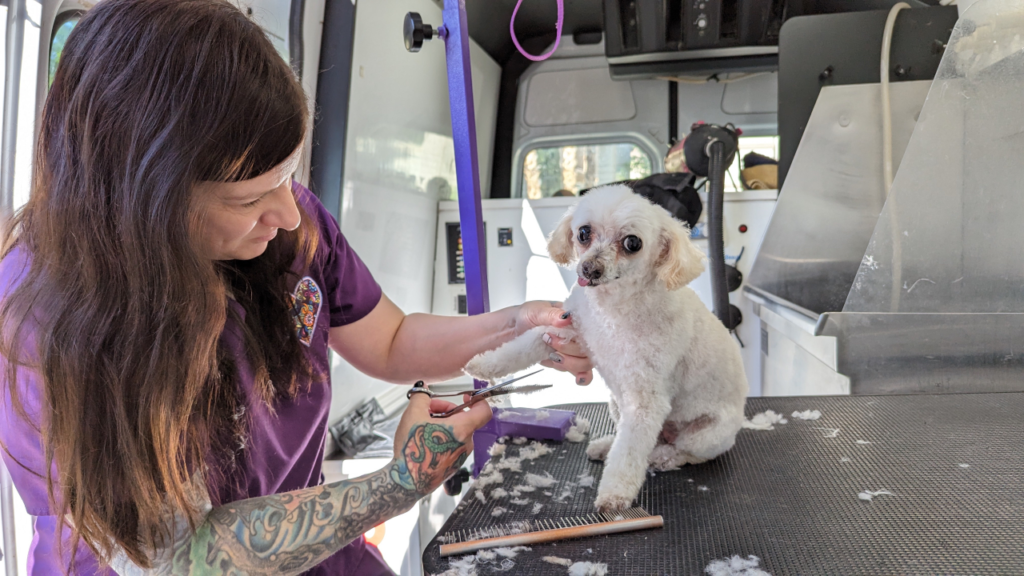
Choosing a Dog Grooming Course That Fits Your Learning Style and Schedule
Selecting a dog grooming course requires careful consideration of personal learning preferences and daily schedules. Individuals valuing flexibility might prefer online courses that allow learning at one’s own pace. Conversely, those who benefit from hands-on instruction and immediate feedback may lean toward physical classes.
Key factors to consider include:
- Learning style compatibility: visual, auditory, or kinesthetic preferences influence course effectiveness.
- Schedule adaptability: ability to balance course hours with work, family, and other commitments.
- Access to resources: availability of tools, live demonstrations, and direct interaction with instructors.
Choosing a course aligned with these factors guarantees a more enjoyable, efficient experience, granting learners the freedom to progress comfortably without compromising their lifestyle or responsibilities.
Making the Right Dog Grooming Course Choice for Your Goals
Beyond matching a course to individual learning styles and schedules, aligning the choice with specific career or personal goals guarantees the training yields meaningful results. For those seeking professional certification and hands-on expertise, physical courses often provide structured environments with direct mentorship.
Conversely, individuals valuing flexibility and self-paced learning may find online courses better suited to cultivating skills while balancing other commitments. The decision also depends on long-term ambitions—whether to work in a salon, start an independent business, or groom pets at home.
Careful evaluation of course content, practical opportunities, and credential recognition secures alignment with these objectives. Ultimately, selecting a dog grooming course tailored to one’s goals maximizes both skill acquisition and the freedom to shape a fulfilling career or hobby.
Conclusion
Choosing between online and physical dog grooming courses depends on individual preferences, learning styles, and goals. Online courses offer flexibility and often lower costs, while physical courses provide valuable hands-on experience and direct instructor feedback. Prospective students should carefully consider their time availability, budget, and desired level of practical training when making a decision. Ultimately, selecting the right course guarantees a solid foundation for a successful dog grooming career tailored to personal needs and ambitions.