
The touch concept review is a critical evaluative process ensuring tactile and sensory elements of custom exhibition stands align with brand objectives. It scrutinizes materials, textures, and interactive features to evoke desired emotional responses while maintaining seamless integration that enhances visitor engagement without overwhelm. This strategic approach supports informed decisions, balancing brand identity with functional usability interior design exhibition. Exploring its application reveals how interactive technology and continuous refinement maximize impact and foster authentic connections at events.
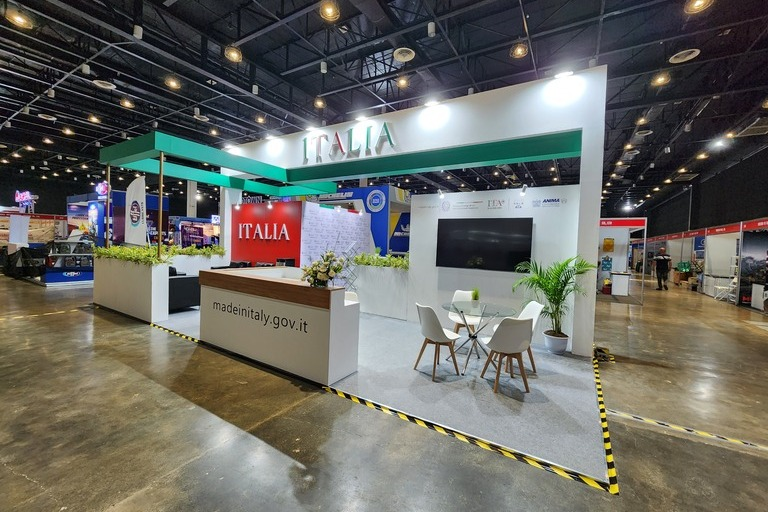
What Is the Touch Concept Review in Exhibition Stand Design?
What defines the touch concept review in exhibition stand design is its role as a critical evaluative process that guarantees every physical and sensory element aligns with the brand’s objectives and audience engagement goals.
This review scrutinizes tactile materials, textures, and interactive features to assure they evoke the intended emotional response and reinforce brand messaging custom exhibition stand contractor. It emphasizes a seamless integration of touch elements that amplify visitor experience without overwhelming or distracting.
By focusing on sensory coherence, the review supports strategic decision-making that elevates the stand’s impact, fostering authentic connections with attendees.
Ultimately, the touch concept review is indispensable for brands seeking freedom to innovate confidently while maintaining control over how their presence is physically perceived and emotionally absorbed in dynamic exhibition environments.
How Can You Apply the Touch Concept Review to Your Stand?
Implementing the touch concept review in an exhibition stand begins with a thorough assessment of materials and interactive elements to guarantee alignment with brand identity and visitor engagement goals.
This process involves selecting tactile surfaces that invite interaction while reinforcing the stand’s message.
Integrating technology such as touchscreens or haptic feedback devices enhances user experience without overwhelming visitors.
Prioritizing intuitive design secures effortless navigation and engagement, fostering a sense of freedom and exploration.
Additionally, reviewing lighting and spatial layout complements the tactile elements, creating a cohesive sensory environment.
Continuous evaluation and iteration based on visitor feedback refine the touch points, maximizing impact.
Ultimately, applying the touch concept review strategically transforms a stand into a dynamic, memorable space that empowers visitors to connect freely and meaningfully with the brand.
Balancing Brand Identity and Stand Functionality Using Touch Concept Review
Although an exhibition stand must captivate through strong brand identity, it cannot sacrifice functionality, as seamless visitor interaction remains paramount. The Touch Concept Review guarantees that every design element aligns with brand messaging while facilitating intuitive navigation and engagement.
By critically evaluating tactile elements—materials, textures, and interactive zones—designers balance visual impact with practical usability. This approach prevents overwhelming visitors with aesthetics that hinder movement or interaction, preserving freedom of exploration.
Ultimately, the review guides the integration of brand cues without compromising accessibility or comfort, fostering a harmonious environment. Such balance drives memorable experiences, encouraging deeper connections and prolonged visits.
Employing the Touch Concept Review strategically empowers exhibitors to deploy stands that are visually compelling and operationally efficient, maximizing event success.
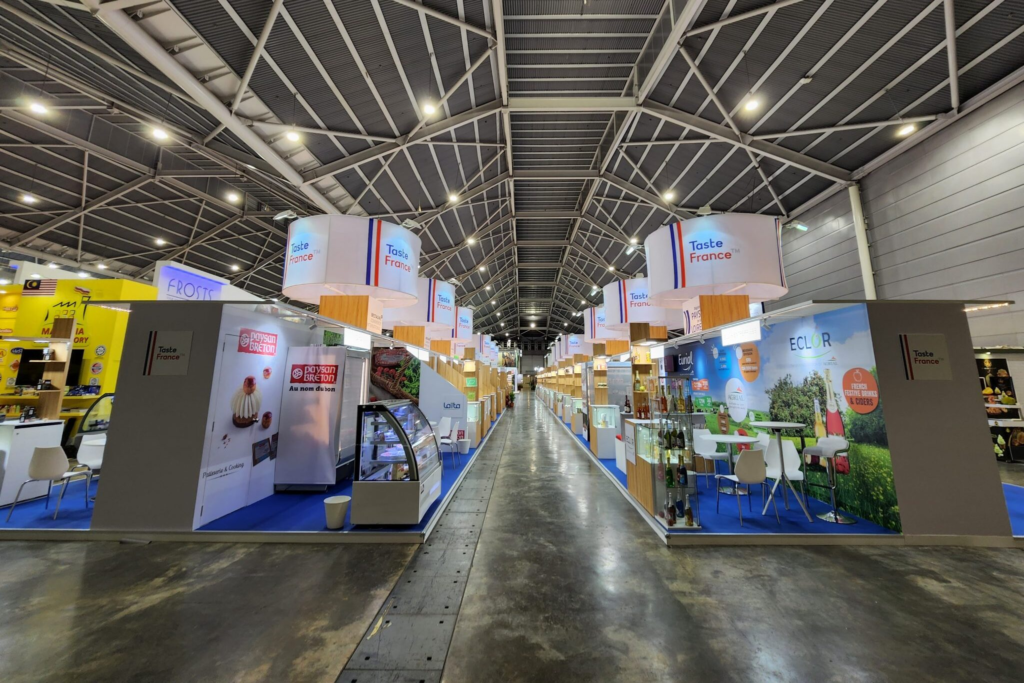
What Interactive Features Should Your Exhibition Stand Include?
Incorporating interactive features transforms an exhibition stand from a static display into an engaging experience that captivates visitors and encourages meaningful interaction.
Essential elements include touchscreens offering intuitive navigation through products or services, fostering autonomous exploration. Augmented reality applications provide immersive demonstrations that personalize engagement without staff dependence.
Interactive games or quizzes subtly educate while entertaining, increasing dwell time and brand recall. Social media integration invites real-time sharing, expanding reach beyond the event.
Additionally, customizable product configurators empower visitors to tailor offerings, reinforcing freedom of choice. These features must align seamlessly with brand identity and stand functionality, ensuring they enhance rather than distract.
Strategically selected interactivity creates a memorable, user-driven environment that elevates visitor experience and drives measurable outcomes, satisfying the audience’s desire for autonomy and engagement.
How Do You Test and Refine Your Stand Setup?
Evaluating and refining an exhibition stand setup is essential to guarantee peak visitor engagement and operational efficiency. Systematic testing identifies design flaws and operational bottlenecks, allowing for targeted improvements. This process empowers freedom to adapt swiftly and maximize impact.
Key steps include:
- Conducting walkthrough simulations to assess flow and accessibility
- Gathering feedback from staff and initial visitors for real-time insights
- Testing interactive features under actual event conditions
- Monitoring engagement metrics to evaluate effectiveness
- Implementing iterative adjustments based on data and observations
Conclusion
The touch concept review is essential for optimizing custom exhibition stand design and event setup. By strategically integrating tactile and interactive elements, it enhances visitor engagement while maintaining brand consistency and functionality. Thoughtful application and rigorous testing guarantee the stand effectively communicates the brand message and adapts to audience needs. Ultimately, this approach drives impactful experiences, maximizing return on investment and elevating the overall success of exhibitions and events.