
If you rely on precise ion analysis, Ion Chromatography offers a streamlined, sensitive solution that fits a range of sample types. You’ll appreciate how it simplifies complex separations and enhances accuracy with minimal prep. But choosing the right system and maintaining it properly are just as crucial to getting consistent results. Understanding these factors can transform your lab’s workflow and compliance—so where should you start?
Key Benefits of Ion Chromatography in Lab Testing
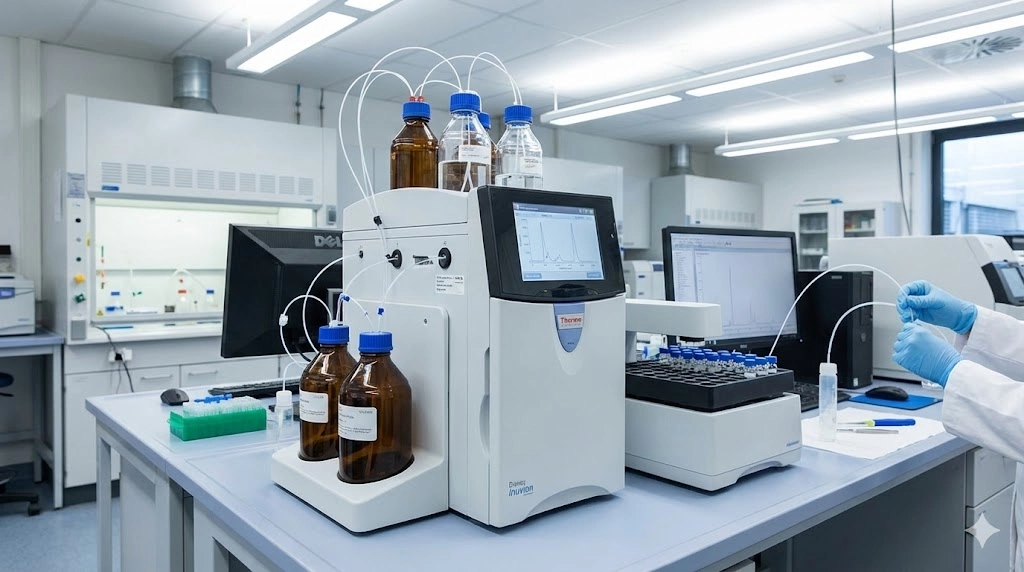
While you might be familiar with various analytical methods, ion chromatography stands out because it delivers fast, accurate results for detecting and quantifying ions in complex samples.
You’ll appreciate how it requires minimal sample preparation, saving you time and effort. Plus https://laballiance.com.my/, its high sensitivity lets you detect even trace amounts of ions, giving you confidence in your data’s reliability.
Ion chromatography’s versatility means you can analyze a wide range of sample types, from environmental to pharmaceutical, without switching methods. It also offers excellent reproducibility, so your results remain consistent over multiple runs.
How Ion Chromatography Works: Separation and Detection
Understanding how ion chromatography achieves its fast and accurate results can help you make the most of this technique in your lab.
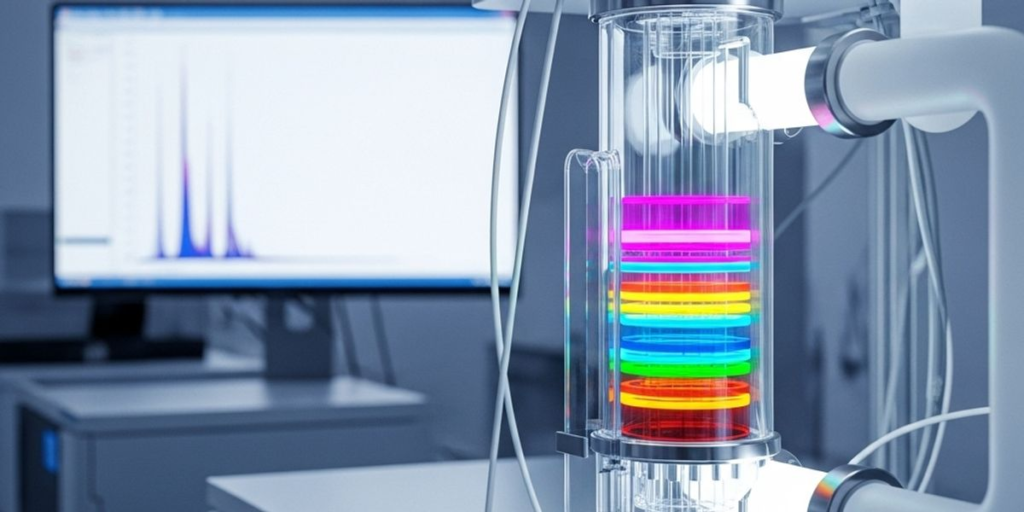
You start by injecting a sample into a column packed with resin that separates ions based on their charge and affinity. As ions travel through the column, they interact differently with the resin, causing them to separate over time.
Next, a detector measures the ions as they elute, often using conductivity detection, which senses how well ions carry electrical current. This process gives you a clear, precise profile of your sample’s ionic composition.
Common Applications of Ion Chromatography Across Industries
Because ion chromatography provides precise and reliable ion analysis, many industries rely on it to meet their quality and safety standards.
You’ll find it invaluable across various fields where accuracy matters.
Here are four common applications you can explore:
- Environmental Monitoring – Track pollutants in water and soil to ensure safety and compliance.
- Pharmaceuticals – Verify drug purity and detect trace ionic impurities that could affect efficacy.
- Food and Beverage – Test for additives, contaminants, and nutritional content to maintain quality.
- Chemical Manufacturing – Analyze raw materials and finished products for ionic composition to optimize processes.
Choosing the Best Ion Chromatography System for Your Lab
When selecting an ion chromatography system for your lab, you need to consider factors like sensitivity, throughput, and ease of use to ensure it fits your specific analytical needs.
Start by evaluating the types of samples you’ll analyze and the detection limits required. Choose a system that offers flexible configurations so you can adapt as your demands evolve.
Look for intuitive software and straightforward maintenance to keep your workflow smooth and minimize downtime. Don’t overlook the importance of vendor support and training options—they empower you to get the most from your investment.
Ultimately, pick a system that balances performance with simplicity, giving you the freedom to focus on your research without technical hurdles. Your ideal ion chromatograph should amplify your lab’s capabilities, not complicate them.
Optimizing Ion Chromatography Workflow for Accurate Results
Selecting the right ion chromatography system sets the stage, but optimizing your workflow ensures you get accurate, reliable results every time. To maximize your lab’s potential and maintain freedom in your processes, focus on these essentials:
- Sample Preparation: Keep it consistent and clean to avoid contamination and ensure reproducibility.
- Calibration Routine: Regularly calibrate your system with fresh standards to maintain precise quantification.
- Method Validation: Validate your methods based on your sample matrix to guarantee relevant and trustworthy outcomes.
- Maintenance Schedule: Stick to routine checks and part replacements to prevent downtime and maintain performance.
Conclusion
By understanding how ion chromatography works and its benefits, you can enhance your lab’s testing accuracy and efficiency. Choosing the right system, performing regular calibration, and validating methods tailored to your samples will help you get reliable results every time. Whether you’re monitoring the environment, analyzing pharmaceuticals, or ensuring food safety, ion chromatography offers a powerful solution that fits your lab’s needs and keeps your processes running smoothly and compliantly.