
When it comes to selecting the best ERP system in Malaysia, the landscape is rife with options and considerations. The choice between SAP Business One, Microsoft Dynamics 365, and Oracle NetSuite is a nuanced decision that demands a thorough understanding of each system’s capabilities and how they align with specific business needs. The optimal ERP solution for Malaysian businesses must not only cater to current requirements but also possess the scalability to accommodate future growth and industry trends e invoice malaysia. With the stakes high and the competition fierce, making an informed decision is paramount for companies seeking to optimize their operations and stay ahead in a rapidly evolving market.
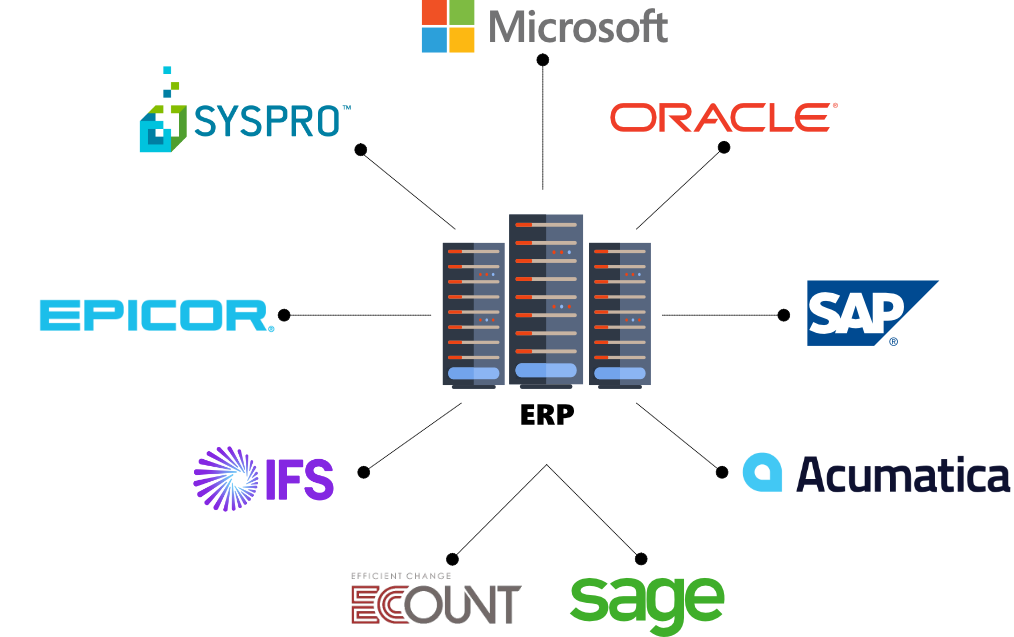
Top ERP Systems Overview
In examining the landscape of ERP systems available in Malaysia, it is crucial to conduct a comprehensive overview of the top solutions that cater to a diverse range of industries and business needs.
Among the leading ERP systems in Malaysia are SAP Business One, Microsoft Dynamics 365, and Oracle NetSuite e-invoicing malaysia guidelines. SAP Business One offers robust financial management and inventory tracking capabilities suitable for medium to large enterprises.
Microsoft Dynamics 365 provides a cloud-based solution with seamless integration across various business functions. Oracle NetSuite stands out for its scalability and customization options, making it ideal for fast-growing businesses.
Each of these ERP systems brings unique strengths and features to the table, catering to the specific requirements of different industries in Malaysia.
Key Features Comparison
When comparing the key features of SAP Business One, Microsoft Dynamics 365, and Oracle NetSuite in the context of ERP systems in Malaysia, it becomes evident that each solution offers distinct functionalities tailored to meet the dynamic needs of businesses across various industries.
SAP Business One stands out for its robust financial management capabilities and seamless integration with other SAP products.
Microsoft Dynamics 365 excels in its CRM functionalities and scalability, making it a preferred choice for companies looking to enhance customer relationships.
On the other hand, Oracle NetSuite shines in its cloud-based architecture, providing flexibility and accessibility to users.
Understanding these key features is crucial for businesses in Malaysia to make an informed decision based on their specific requirements and operational goals.
Pricing and Packages Analysis
Analyzing the pricing structures and package offerings of SAP Business One, Microsoft Dynamics 365, and Oracle NetSuite provides valuable insights for businesses seeking an ERP system in Malaysia.
SAP Business One offers a tiered pricing system based on the number of users and features required, with additional costs for implementation and customization.
Microsoft Dynamics 365 provides flexible pricing options, including a modular approach where businesses can select specific applications based on their needs.
Oracle NetSuite, known for its cloud-based solution, offers pricing based on user count and the modules selected, with additional expenses for implementation and training.
Understanding these pricing models is crucial for businesses to make informed decisions when selecting an ERP system in Malaysia.
Customer Reviews and Ratings
Upon examining customer reviews and ratings, a comprehensive understanding of the user experiences with SAP Business One, Microsoft Dynamics 365, and Oracle NetSuite in Malaysia can be gained.
Users of SAP Business One in Malaysia often praise its robust features for streamlining operations and enhancing productivity.
Microsoft Dynamics 365 users appreciate its seamless integration with other Microsoft tools and its scalability.
Oracle NetSuite users in Malaysia commonly highlight its cloud-based accessibility and real-time insights for informed decision-making.
While each ERP system has its strengths, customer reviews indicate that SAP Business One is favored for its customization options, Microsoft Dynamics 365 for its user-friendly interface, and Oracle NetSuite for its comprehensive financial management capabilities.
Implementation Process Insights
An essential aspect of understanding the effectiveness of ERP systems in the Malaysian context is delving into the insights provided by the implementation process.
The implementation process of an ERP system involves various stages such as planning, customization, training, testing, and going live.
Insights gained during this process can reveal crucial information about the system’s compatibility with the organization’s existing processes, the level of user-friendliness, and the overall impact on productivity.
Understanding how effectively the ERP system integrates with the current infrastructure, the ease of data migration, and the responsiveness of vendor support during implementation are key factors that can influence the success of the system.

Integration Capabilities Evaluation
Assessing the integration capabilities of an ERP system is essential for determining its alignment with the organization’s existing infrastructure and operational requirements in Malaysia.
When evaluating integration capabilities, factors such as the system’s ability to communicate with other software applications, support for data exchange protocols, and adaptability to different data formats must be considered.
A robust ERP system should offer seamless integration with various third-party systems commonly used in Malaysian businesses to ensure smooth data flow and process automation.
Additionally, evaluating the system’s scalability and flexibility in accommodating future integrations is crucial to support the organization’s growth and changing needs.
Final Recommendations
In light of the comprehensive evaluation of integration capabilities, the following final recommendations are proposed for selecting the most suitable ERP system for Malaysian businesses.
Firstly, prioritize scalability to ensure the chosen ERP system can grow alongside the business and adapt to changing needs.
Secondly, consider the level of customization required to meet specific industry demands and business processes.
Thirdly, assess the implementation timeline and vendor support to guarantee a smooth transition and ongoing assistance.
Additionally, evaluate the user-friendliness of the ERP system to facilitate adoption and maximize efficiency.
Lastly, conduct thorough cost-benefit analysis to determine the system that offers the best value in terms of features and long-term benefits.
Conclusion
In conclusion, the best ERP system in Malaysia depends on the specific needs and requirements of each business.
SAP Business One, Microsoft Dynamics 365, and Oracle NetSuite offer unique features and capabilities that cater to different industries.
It is essential for companies to carefully evaluate their options based on factors such as financial management, inventory tracking, scalability, customization, and integration capabilities to choose the most suitable ERP system for their operations in Malaysia.