When you work with materials Particle Size Analyzer, understanding particle size distribution is essential. It shapes how your product behaves, from flowability to reactivity. Getting accurate measurements and interpreting the data correctly can make all the difference in consistency and performance. But knowing where to start and which techniques to trust isn’t always straightforward. Let’s explore how mastering this can give you a clear edge in your research and development efforts.
What Particle Size Distribution Is and Why It Matters
Although particle size distribution may seem technical, it directly affects how materials behave in many everyday applications. When you understand particle size distribution, you see how particles of various sizes are spread within a material. This spread influences everything from flowability to reaction rates.
Instead of focusing on a single particle size Lab Alliance, you look at the whole range, recognizing that this variety determines how materials perform. For you, grasping this concept means gaining control over processes, whether mixing powders or designing filters.
It’s about knowing how these tiny pieces come together to shape the bigger picture. By mastering particle size distribution, you access the freedom to predict and tailor material behavior, letting you innovate and optimize your projects with confidence.
How Particle Size Distribution Impacts Product Quality
When you control particle size distribution, you directly influence the quality of your product. Consistent particle sizes ensure predictable performance, whether it’s flowability, texture, or reactivity.
If your particles vary too much, you risk uneven mixing, inconsistent strength, or unpredictable behavior, which limits your freedom to innovate. By mastering particle size distribution, you can tailor products to meet exact specifications, enhancing reliability and customer satisfaction.
You also minimize waste and reduce production costs because more uniform materials behave as expected. Controlling distribution empowers you to push boundaries and create products that stand out, giving you freedom from guesswork and quality issues.
Ultimately, understanding and managing particle size distribution lets you take full control over your product’s success.
Step-by-Step Guide to Measuring Particle Size Distribution
Before you can control particle size distribution, you need to measure it accurately. Start by selecting the right sampling method to guarantee your sample truly represents the batch.
Next, prepare the sample carefully—whether dispersing dry powders or suspending particles in liquid—to avoid clumping or settling.
Choose an appropriate measurement technique, such as laser diffraction or sieve analysis, based on your material and desired resolution.
Calibrate your instrument properly to maintain accuracy, then run the measurement and collect data.
Finally, process the data to obtain a clear particle size distribution profile.
Following these steps lets you gain reliable insights and confidently adjust processes, giving you the freedom to optimize product performance without guesswork.
Key Techniques for Analyzing Particle Size Data
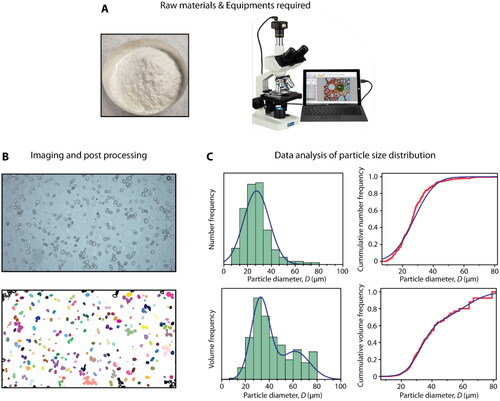
Since raw particle size data can be complex and varied, you’ll need effective techniques to analyze it accurately. Start by organizing your data into size classes or bins to visualize distribution patterns clearly.
Use statistical measures like mean, median, mode, and standard deviation to summarize your dataset’s key features.
Graphical tools like histograms and cumulative distribution plots help you spot trends and irregularities quickly.
Consider applying software tools or algorithms designed for particle analysis to automate calculations and improve precision.
Don’t forget to assess data quality by identifying outliers or inconsistencies.
Tips for Interpreting and Using Particle Size Data
Although particle size data can seem overwhelming at first, you can gain valuable insights by focusing on key interpretation strategies. Start by understanding the distribution’s shape—whether it’s unimodal or multimodal—to grasp your sample’s complexity.
Pay attention to median and mean sizes; they reveal central tendencies but don’t overlook extremes, as fines or oversized particles can impact performance.
Use cumulative data to see how particle volumes accumulate, helping you set meaningful thresholds.
Always consider the context—application goals and measurement methods influence how you interpret results.
Finally, combine particle size data with other material properties to make informed decisions.
Conclusion
By mastering particle size distribution, you can unlock deeper insights into your materials’ behavior and boost product quality. Accurate measurement and analysis help you predict flowability, reactivity, and performance, letting you design materials that fit your exact needs. With these skills, you’ll improve consistency, cut waste, and drive innovation in your research. Keep refining your approach, and you’ll turn complex data into powerful tools for success across industries.
If you rely on precise ion analysis, Ion Chromatography offers a streamlined, sensitive solution that fits a range of sample types. You’ll appreciate how it simplifies complex separations and enhances accuracy with minimal prep. But choosing the right system and maintaining it properly are just as crucial to getting consistent results. Understanding these factors can transform your lab’s workflow and compliance—so where should you start?
Key Benefits of Ion Chromatography in Lab Testing
While you might be familiar with various analytical methods, ion chromatography stands out because it delivers fast, accurate results for detecting and quantifying ions in complex samples.
You’ll appreciate how it requires minimal sample preparation, saving you time and effort. Plus https://laballiance.com.my/, its high sensitivity lets you detect even trace amounts of ions, giving you confidence in your data’s reliability.
Ion chromatography’s versatility means you can analyze a wide range of sample types, from environmental to pharmaceutical, without switching methods. It also offers excellent reproducibility, so your results remain consistent over multiple runs.
How Ion Chromatography Works: Separation and Detection
Understanding how ion chromatography achieves its fast and accurate results can help you make the most of this technique in your lab.
You start by injecting a sample into a column packed with resin that separates ions based on their charge and affinity. As ions travel through the column, they interact differently with the resin, causing them to separate over time.
Next, a detector measures the ions as they elute, often using conductivity detection, which senses how well ions carry electrical current. This process gives you a clear, precise profile of your sample’s ionic composition.
Common Applications of Ion Chromatography Across Industries
Because ion chromatography provides precise and reliable ion analysis, many industries rely on it to meet their quality and safety standards.
You’ll find it invaluable across various fields where accuracy matters.
Here are four common applications you can explore:
Environmental Monitoring – Track pollutants in water and soil to ensure safety and compliance.
Pharmaceuticals – Verify drug purity and detect trace ionic impurities that could affect efficacy.
Food and Beverage – Test for additives, contaminants, and nutritional content to maintain quality.
Chemical Manufacturing – Analyze raw materials and finished products for ionic composition to optimize processes.
Choosing the Best Ion Chromatography System for Your Lab
When selecting an ion chromatography system for your lab, you need to consider factors like sensitivity, throughput, and ease of use to ensure it fits your specific analytical needs.
Start by evaluating the types of samples you’ll analyze and the detection limits required. Choose a system that offers flexible configurations so you can adapt as your demands evolve.
Look for intuitive software and straightforward maintenance to keep your workflow smooth and minimize downtime. Don’t overlook the importance of vendor support and training options—they empower you to get the most from your investment.
Ultimately, pick a system that balances performance with simplicity, giving you the freedom to focus on your research without technical hurdles. Your ideal ion chromatograph should amplify your lab’s capabilities, not complicate them.
Optimizing Ion Chromatography Workflow for Accurate Results
Selecting the right ion chromatography system sets the stage, but optimizing your workflow ensures you get accurate, reliable results every time. To maximize your lab’s potential and maintain freedom in your processes, focus on these essentials:
Sample Preparation: Keep it consistent and clean to avoid contamination and ensure reproducibility.
Calibration Routine: Regularly calibrate your system with fresh standards to maintain precise quantification.
Method Validation: Validate your methods based on your sample matrix to guarantee relevant and trustworthy outcomes.
Maintenance Schedule: Stick to routine checks and part replacements to prevent downtime and maintain performance.
Conclusion
By understanding how ion chromatography works and its benefits, you can enhance your lab’s testing accuracy and efficiency. Choosing the right system, performing regular calibration, and validating methods tailored to your samples will help you get reliable results every time. Whether you’re monitoring the environment, analyzing pharmaceuticals, or ensuring food safety, ion chromatography offers a powerful solution that fits your lab’s needs and keeps your processes running smoothly and compliantly.
Upstage Expo is a leading choice for exhibition booth design in Malaysia, known for blending innovative creativity with practical functionality booth design for exhibition. Their customizable solutions empower clients to express their brand effectively while using advanced materials and sustainable practices. They offer transparent pricing tailored to diverse budgets, focusing on value without compromising quality. Ideal for startups and established firms alike, Upstage Expo consistently delivers impactful, flexible booth designs with reliable project management. Explore further to understand how they align with specific business needs and expectations.
What Makes Upstage Expo Unique in Malaysia’s Booth Design
In the competitive landscape of Malaysia’s exhibition industry, Upstage Expo distinguishes itself through innovative booth designs that seamlessly blend creativity with functionality.
Its unique approach centers on client empowerment https://upstageexpo.com/home, offering customizable solutions that prioritize freedom in expression and brand identity.
Upstage Expo leverages advanced materials and cutting-edge technology to craft booths that captivate attention while maximizing spatial efficiency.
The company’s strategic focus on sustainability and adaptability guarantees exhibits remain relevant across diverse event formats.
By combining meticulous project management with a deep understanding of market trends, Upstage Expo delivers turnkey experiences that align with clients’ strategic goals.
Their commitment to precision and innovation positions them as a preferred partner for businesses seeking exhibition booths that reflect independence and dynamic presence in Malaysia’s bustling trade show environment.
How Upstage Expo Blends Creativity With Functionality
Building on its reputation for innovative and customizable booth designs, Upstage Expo masterfully integrates creativity with practical functionality to meet diverse client needs. Their approach balances aesthetic appeal with strategic spatial planning, ensuring every booth not only captivates attention but also facilitates smooth visitor flow and effective brand communication.
By employing modular designs and adaptable materials, Upstage Expo allows clients the freedom to modify layouts according to evolving exhibition goals. This seamless fusion empowers exhibitors to create immersive experiences without compromising operational efficiency.
Their expertise in combining visual impact with usability distinguishes them in Malaysia’s competitive market, making their booths both striking and purpose-driven. Ultimately, Upstage Expo’s design philosophy prioritizes client freedom, enabling tailored solutions that maximize engagement and return on investment.
How Upstage Expo’s Pricing Compares for Exhibition Booths
How does Upstage Expo’s pricing stand out in Malaysia’s competitive exhibition booth market? Upstage Expo offers transparent, competitive pricing structured to maximize value without compromising quality.
Their flexible packages cater to diverse budgets, enabling clients to select designs that align with both financial plans and branding goals. By balancing cost-effectiveness and premium materials, Upstage Expo positions itself as a strategic partner for businesses seeking impactful booths without overextending resources.
Furthermore, their pricing model emphasizes customization, ensuring clients pay only for features essential to their unique needs. This approach empowers businesses to maintain control over expenditures while achieving standout presence at exhibitions.
In a market where cost and creativity must coexist, Upstage Expo’s pricing strategy offers a clear advantage for those valuing freedom in design and budget management.
Which Businesses Benefit Most From Upstage Expo Services?
Upstage Expo’s flexible pricing and customizable designs make their services especially advantageous for businesses aiming to maximize exhibition impact while managing budgets effectively.
Startups and small-to-medium enterprises (SMEs) benefit greatly, as they gain access to professional booth designs without excessive costs, enabling a strong brand presence.
Established companies seeking to refresh their exhibition approach also find value in Upstage Expo’s adaptability, allowing tailored solutions that align with evolving marketing strategies.
Industries that rely on frequent trade shows—such as technology, manufacturing, and consumer goods—can leverage these services to maintain consistent, eye-catching displays.
Ultimately, businesses prioritizing freedom in design choices and budget control find Upstage Expo’s offerings particularly well-suited to their exhibition goals, ensuring impactful presentations without financial strain.
What Clients Say About Working With Upstage Expo
Clients consistently commend the professionalism and creativity demonstrated throughout the exhibition booth design process. Feedback highlights Upstage Expo’s ability to translate brand visions into compelling physical spaces that capture attention and engage visitors.
Many appreciate the team’s responsiveness and flexibility, which empowers clients to maintain control while benefiting from expert guidance. The seamless collaboration reduces stress, allowing businesses to focus on their core goals without micromanaging design details.
Testimonials often emphasize timely delivery and adherence to budget, reinforcing Upstage Expo’s reliability. This consistent satisfaction reflects a commitment to client freedom—offering tailored solutions that align with unique objectives and market dynamics.
Conclusion
Upstage Expo stands out in Malaysia’s exhibition booth design market by seamlessly combining creativity with practical functionality. Its competitive pricing offers significant value without compromising quality, appealing to a diverse range of businesses seeking impactful presentations. Client testimonials consistently highlight professionalism and effective collaboration, reinforcing Upstage Expo’s reputation. For organizations aiming to enhance their exhibition presence strategically, Upstage Expo represents a compelling, reliable choice that balances innovation, cost-efficiency, and client satisfaction.
The touch concept review is a critical evaluative process ensuring tactile and sensory elements of custom exhibition stands align with brand objectives. It scrutinizes materials, textures, and interactive features to evoke desired emotional responses while maintaining seamless integration that enhances visitor engagement without overwhelm. This strategic approach supports informed decisions, balancing brand identity with functional usability interior design exhibition. Exploring its application reveals how interactive technology and continuous refinement maximize impact and foster authentic connections at events.
What Is the Touch Concept Review in Exhibition Stand Design?
What defines the touch concept review in exhibition stand design is its role as a critical evaluative process that guarantees every physical and sensory element aligns with the brand’s objectives and audience engagement goals.
This review scrutinizes tactile materials, textures, and interactive features to assure they evoke the intended emotional response and reinforce brand messaging custom exhibition stand contractor. It emphasizes a seamless integration of touch elements that amplify visitor experience without overwhelming or distracting.
By focusing on sensory coherence, the review supports strategic decision-making that elevates the stand’s impact, fostering authentic connections with attendees.
Ultimately, the touch concept review is indispensable for brands seeking freedom to innovate confidently while maintaining control over how their presence is physically perceived and emotionally absorbed in dynamic exhibition environments.
How Can You Apply the Touch Concept Review to Your Stand?
Implementing the touch concept review in an exhibition stand begins with a thorough assessment of materials and interactive elements to guarantee alignment with brand identity and visitor engagement goals.
This process involves selecting tactile surfaces that invite interaction while reinforcing the stand’s message.
Integrating technology such as touchscreens or haptic feedback devices enhances user experience without overwhelming visitors.
Prioritizing intuitive design secures effortless navigation and engagement, fostering a sense of freedom and exploration.
Additionally, reviewing lighting and spatial layout complements the tactile elements, creating a cohesive sensory environment.
Continuous evaluation and iteration based on visitor feedback refine the touch points, maximizing impact.
Ultimately, applying the touch concept review strategically transforms a stand into a dynamic, memorable space that empowers visitors to connect freely and meaningfully with the brand.
Balancing Brand Identity and Stand Functionality Using Touch Concept Review
Although an exhibition stand must captivate through strong brand identity, it cannot sacrifice functionality, as seamless visitor interaction remains paramount. The Touch Concept Review guarantees that every design element aligns with brand messaging while facilitating intuitive navigation and engagement.
By critically evaluating tactile elements—materials, textures, and interactive zones—designers balance visual impact with practical usability. This approach prevents overwhelming visitors with aesthetics that hinder movement or interaction, preserving freedom of exploration.
Ultimately, the review guides the integration of brand cues without compromising accessibility or comfort, fostering a harmonious environment. Such balance drives memorable experiences, encouraging deeper connections and prolonged visits.
Employing the Touch Concept Review strategically empowers exhibitors to deploy stands that are visually compelling and operationally efficient, maximizing event success.
What Interactive Features Should Your Exhibition Stand Include?
Incorporating interactive features transforms an exhibition stand from a static display into an engaging experience that captivates visitors and encourages meaningful interaction.
Essential elements include touchscreens offering intuitive navigation through products or services, fostering autonomous exploration. Augmented reality applications provide immersive demonstrations that personalize engagement without staff dependence.
Interactive games or quizzes subtly educate while entertaining, increasing dwell time and brand recall. Social media integration invites real-time sharing, expanding reach beyond the event.
Additionally, customizable product configurators empower visitors to tailor offerings, reinforcing freedom of choice. These features must align seamlessly with brand identity and stand functionality, ensuring they enhance rather than distract.
Strategically selected interactivity creates a memorable, user-driven environment that elevates visitor experience and drives measurable outcomes, satisfying the audience’s desire for autonomy and engagement.
How Do You Test and Refine Your Stand Setup?
Evaluating and refining an exhibition stand setup is essential to guarantee peak visitor engagement and operational efficiency. Systematic testing identifies design flaws and operational bottlenecks, allowing for targeted improvements. This process empowers freedom to adapt swiftly and maximize impact.
Key steps include:
Conducting walkthrough simulations to assess flow and accessibility
Gathering feedback from staff and initial visitors for real-time insights
Testing interactive features under actual event conditions
Monitoring engagement metrics to evaluate effectiveness
Implementing iterative adjustments based on data and observations
Conclusion
The touch concept review is essential for optimizing custom exhibition stand design and event setup. By strategically integrating tactile and interactive elements, it enhances visitor engagement while maintaining brand consistency and functionality. Thoughtful application and rigorous testing guarantee the stand effectively communicates the brand message and adapts to audience needs. Ultimately, this approach drives impactful experiences, maximizing return on investment and elevating the overall success of exhibitions and events.
Effective lizard repellents for Malaysian homes blend pet-safe indoor solutions and durable outdoor options. Indoors, garlic, pepper mixes, botanical sprays and sealed mesh barriers work for low-toxicity control how to get rid of lizards. Outdoors, solar motion units, scented oil perimeters and UV-resistant sprays offer long-lasting protection. Choose chemicals for rapid knockdown, naturals for low risk, and electronics for hands-off areas. Prepare surfaces, seal gaps and follow reapplication schedules. Continue for detailed selection, application steps and local purchase tips.
Top Indoor Lizard Repellents That Are Safe for Homes and Pets
In indoor settings where safety and effectiveness are paramount, practical lizard repellents combine non-toxic ingredients and targeted placement to deter geckos without harming pets or household occupants igreenasia. The piece outlines reliable options: natural deterrents such as garlic, pepper, and essential oil mixes placed strategically near entry points; pet safe sprays formulated from water, mild detergent, and approved botanical extracts for periodic misting; and physical barriers like mesh and sealed gaps to deny access.
Instructions emphasize freedom-focused control: occupants may choose DIY mixes or commercial pet safe sprays, apply only where needed, and monitor results. Maintenance guidance covers reapplication schedules and safe storage. The tone remains pragmatic and authoritative, enabling informed, autonomous decisions for indoor lizard management.
Best Outdoor and Long‑Lasting Lizard Repellents for Patios and Gardens
For patios and gardens that demand durable, low‑maintenance solutions, homeowners should prioritize long‑lasting repellents that withstand sun, rain, and wildlife while posing minimal risk to pets and beneficial insects. The best outdoor choices combine robust physical barriers, weatherproof formulations, and targeted placement to protect seating areas, planters, and walls.
Solar powered deterrents offer continuous, low‑effort coverage—motion‑activated units or flashing lights reduce lizard activity without chemicals. Scented barriers using concentrated natural oils provide perimeter protection; they require reapplication schedules tailored to tropical humidity but avoid harming pollinators when used responsibly.
Heavy‑duty mesh, sealed crevice work, and UV‑resistant sprays extend effectiveness. Selection favors products rated for outdoor exposure, clear application instructions, and reversible methods that preserve the garden’s ecology while granting occupants freedom from persistent lizard presence.
How Each Repellent Works and When to Choose It (Chemical, Natural, Electronic)
How does each type of repellent deter lizards and which situations call for one over another?
Chemical mechanisms rely on irritants or neuroactive compounds that disrupt lizard sensory cues; ideal for heavy infestations and outdoor zones needing rapid control, but require cautious use around children, pets, and plants.
Natural efficacy stems from botanical oils, vinegar, and eggshells that mask scents and create discomfort; suited to occupants valuing low-toxicity, indoor use, and maintenance of ecological balance.
Electronic deterrents emit ultrasonic pulses or vibrations targeting lizard sensitivity; best for homeowners seeking hands‑off, non‑chemical options in confined spaces.
Seasonal effectiveness varies: chemicals work year‑round in high activity seasons, naturals need frequent reapplication in wet months, and electronic devices perform consistently but may be less effective in complex outdoor environments.
Step‑By‑Step: How to Apply Repellents for Fast, Lasting Results
After selecting the appropriate repellent type, a clear, stepwise application routine guarantees rapid reduction of lizard activity and sustained protection.
The procedure begins with thorough surface preparation: clean, dry, and remove food residues and insect prey. Apply sealant application where gaps permit entry before treating surfaces. Use repellents in thin, even coats and respect label instructions.
Inspect and prepare surfaces, closing holes and performing surface preparation.
Apply chemical or natural repellent evenly; allow drying and note timing intervals for reapplication.
Use repellents rotation monthly to prevent habituation; alternate active ingredients or scents.
Monitor effectiveness, reapply at prescribed timing intervals, and reseal gaps as needed.
This methodical approach preserves freedom of movement while ensuring lasting deterrence.
Where to Buy These Repellents in Malaysia and How to Compare Prices
In Malaysia, repellents are widely available through hardware stores, garden centres, major supermarket chains, and online marketplaces such as Shopee, Lazada and local e‑commerce sites; buyers should prioritize authorised retailers and product pages that list ingredients, concentration, and expiry to verify authenticity.
Comparison should begin with unit price per millilitre or per sachet and active ingredient percentage; factor in coverage area and recommended reapplication interval.
Check seller ratings, return policy, and verified purchase reviews on online marketplaces.
For bulk or commercial needs, request safety data sheets and distributor credentials from suppliers.
Consider bundled kits or refill options to reduce long‑term cost.
Keep receipts and photograph batch codes for warranty claims.
Choosing trusted channels guarantees efficacy, safety, and freedom from counterfeit products.
Conclusion
Briefly, homeowners in Malaysia can manage indoor and outdoor lizard problems effectively by choosing repellents suited to setting and risk factors. For indoor areas and pet-safe needs, natural sprays and physical barriers are preferred; outdoors, long‑lasting chemical treatments or electronic deterrents work best. Understanding mode of action, proper application, and local availability guarantees faster, durable results. Regular inspection, correct placement, and product comparison will maintain control while minimizing harm to people and wildlife.
If you’re dealing with heel pain, you know how it can disrupt your daily routine and limit your mobility. Understanding the root cause is key, whether it’s plantar fasciitis, Achilles tendinitis, or something else. People Podiatry takes a thorough, personalized approach to diagnosis and treatment your mobile podiatrist, ensuring you get the right care for lasting relief. But what exactly does their process involve, and how can it help you get back on your feet?
Common Heel Pain Causes and How to Recognize Them
Although heel pain can stem from various issues, recognizing the most common causes helps you address it quickly https://peoplepodiatry.com.au/. You might be dealing with plantar fasciitis if you feel sharp pain near your heel, especially after resting or first thing in the morning.
Achilles tendinitis often causes discomfort at the back of your heel, worsening with activity. If you notice swelling or bruising, a heel spur or stress fracture could be the culprit.
Sometimes, nerve irritation leads to burning or tingling sensations around your heel. Paying attention to when and where the pain occurs gives you the freedom to act promptly.
People Podiatry’s Approach to Diagnosing Heel Pain
At People Podiatry, we start by thoroughly evaluating your heel pain to pinpoint its exact cause. We understand your desire to move freely without discomfort, so we focus on accurate diagnosis to set you on the right path.
Our approach includes:
Detailed History – We ask about your pain patterns, activities, and lifestyle to understand how your heel pain limits your freedom.
Physical Examination – We assess your foot structure, range of motion, and tenderness to identify problem areas.
Diagnostic Tests – When needed, we use imaging like X-rays or ultrasounds to get a clear picture of underlying issues.
This precise process ensures you get a tailored diagnosis, freeing you from guesswork and helping you regain your active life confidently.
Heel Pain Treatments at People Podiatry: Why Choose Us?
Once we identify what’s causing your heel pain, we create a treatment plan tailored specifically for you. At People Podiatry, we focus on treatments that help you regain your freedom to move without limits. Whether it’s custom orthotics, targeted physical therapy, or advanced minimally invasive procedures, we choose options that suit your lifestyle and goals.
Our expert team works closely with you to ensure your treatment fits seamlessly into your daily routine. We prioritize proven methods that relieve pain quickly while promoting long-term foot health. Choosing us means you’re not just managing symptoms—you’re taking control of your mobility and comfort. With People Podiatry, you’re empowered to get back to the activities you love, pain-free and confident.
What to Expect During Your Heel Pain Recovery
As you begin your heel pain recovery, you’ll notice gradual improvements guided by your personalized treatment plan. You’ll regain mobility step by step, feeling more freedom in your daily activities. Recovery isn’t instant, but it’s steady, so stay patient and committed.
Here’s what to expect:
Reduced pain and inflammation – Your discomfort will ease as inflammation subsides.
Increased strength and flexibility – Targeted exercises will help restore your foot’s function.
Improved walking and balance – You’ll regain natural movement, making walking more comfortable and confident.
Preventing Heel Pain: Practical Tips for Healthy Feet
You can often prevent heel pain by adopting simple habits that protect your feet daily. Start by choosing supportive shoes that fit well and cushion your heels—ditch worn-out footwear that offers no support.
Stretch your calves and feet regularly to keep muscles flexible and reduce strain. Avoid standing or walking on hard surfaces for long periods without breaks.
Maintain a healthy weight to lessen pressure on your heels. When you exercise, warm up properly and increase intensity gradually to prevent overuse injuries.
Listen to your body; if you feel discomfort, rest and adjust your activities. By taking these practical steps, you’ll keep your feet healthy and enjoy the freedom to move without pain holding you back. Your feet deserve care that matches your active lifestyle.
Conclusion
If you’re struggling with heel pain, People Podiatry is here to help you find relief. By pinpointing the exact cause and creating a personalized treatment plan, they’ll guide you through recovery with expert care and support. You’ll regain strength, reduce discomfort, and get back to moving confidently. Plus, you’ll learn practical tips to keep your feet healthy and prevent future pain. Don’t let heel pain hold you back—take the first step today!
Choosing between online and physical dog grooming courses depends on individual priorities. Online courses offer flexible pacing and lower costs but require self-discipline and rely on virtual instruction. Physical courses provide hands-on practice, direct expert feedback, and social interaction but involve higher fees and fixed schedules. Consider learning style, budget Pet Grooming Course, and need for in-person guidance. Exploring these aspects helps align the choice with personal goals and commitments, revealing which format best supports effective skill development.
Expectations for Online vs. Physical Dog Grooming Courses
Although both online and physical dog grooming courses aim to equip students with essential skills, the expectations for each differ markedly with respect to learning environment, interaction Cosmos Pet universe, and hands-on experience.
Online courses offer flexibility, allowing learners to access material anytime and anywhere, suiting those who prioritize autonomy and a self-paced approach. In contrast, physical courses provide structured schedules and in-person guidance, fostering immediate feedback and direct mentorship.
Interaction in online settings tends to be virtual, often through forums or video calls, while physical courses enable face-to-face communication, enhancing social engagement.
Prospective students should consider how much freedom they desire in balancing convenience with the level of direct support and immersion they seek when choosing between these formats.
Comparing Hands-On Experience in Online and Physical Courses
The nature of interaction in dog grooming courses markedly influences the development of practical skills, making hands-on experience a key factor to examine.
Physical courses offer direct tactile engagement with animals, allowing immediate feedback and correction.
Conversely, online courses often rely on video demonstrations and virtual simulations, requiring students to practice independently.
Key distinctions include:
Physical courses provide real-time supervision and personalized guidance.
Online courses afford flexibility to practice at one’s own pace but may lack immediate expert input.
Access to diverse dog breeds and grooming tools is typically more extensive in physical settings.
For those valuing autonomy, online formats encourage self-directed learning, while physical courses emphasize structured, hands-on interaction essential for refining technique under expert oversight.
Costs and Time Commitment of Dog Grooming Courses
When choosing between online and physical dog grooming courses, considerations of cost and time commitment often play a decisive role. Online courses generally offer lower upfront fees and eliminate expenses related to travel and accommodation, appealing to those seeking budget-friendly options. They also provide flexibility, allowing learners to progress at their own pace without fixed schedules.
Conversely, physical courses typically require higher tuition costs and set class times, which may demand rearranging personal commitments. However, they offer structured timelines that can accelerate skill acquisition. Individuals valuing autonomy often weigh these factors carefully, balancing financial investment against available time. Ultimately, the choice hinges on prioritizing either cost-efficiency and schedule flexibility or immersive, time-bound learning experiences.
Choosing a Dog Grooming Course That Fits Your Learning Style and Schedule
Selecting a dog grooming course requires careful consideration of personal learning preferences and daily schedules. Individuals valuing flexibility might prefer online courses that allow learning at one’s own pace. Conversely, those who benefit from hands-on instruction and immediate feedback may lean toward physical classes.
Schedule adaptability: ability to balance course hours with work, family, and other commitments.
Access to resources: availability of tools, live demonstrations, and direct interaction with instructors.
Choosing a course aligned with these factors guarantees a more enjoyable, efficient experience, granting learners the freedom to progress comfortably without compromising their lifestyle or responsibilities.
Making the Right Dog Grooming Course Choice for Your Goals
Beyond matching a course to individual learning styles and schedules, aligning the choice with specific career or personal goals guarantees the training yields meaningful results. For those seeking professional certification and hands-on expertise, physical courses often provide structured environments with direct mentorship.
Conversely, individuals valuing flexibility and self-paced learning may find online courses better suited to cultivating skills while balancing other commitments. The decision also depends on long-term ambitions—whether to work in a salon, start an independent business, or groom pets at home.
Careful evaluation of course content, practical opportunities, and credential recognition secures alignment with these objectives. Ultimately, selecting a dog grooming course tailored to one’s goals maximizes both skill acquisition and the freedom to shape a fulfilling career or hobby.
Conclusion
Choosing between online and physical dog grooming courses depends on individual preferences, learning styles, and goals. Online courses offer flexibility and often lower costs, while physical courses provide valuable hands-on experience and direct instructor feedback. Prospective students should carefully consider their time availability, budget, and desired level of practical training when making a decision. Ultimately, selecting the right course guarantees a solid foundation for a successful dog grooming career tailored to personal needs and ambitions.
When it comes to cat boarding, ensuring the well-being of one’s feline companion is paramount. Owners must carefully research and select a reputable facility that prioritizes safety and comfort. Keeping a cat’s health in mind is essential, including vaccination updates and specific care instructions. Familiar items can ease the change, while open communication with staff fosters reassurance cat hotel malaysia. Understanding these considerations can greatly impact the overall experience for both the cat and the owner. What steps can be taken to enhance this process further?
Researching the Right Boarding Facility
When considering where to board a beloved cat, how can one guarantee the chosen facility prioritizes safety and comfort? Researching the right boarding facility involves several key steps.
First, potential clients should seek recommendations from trusted sources, such as veterinarians and fellow cat owners. Online reviews can provide further insights into a facility’s reputation.
Next, visiting the facility is essential; observing cleanliness, staff interactions, and available space can reveal much about the environment Pet Universe Starlux. Inquire about security measures, such as secure enclosures and emergency protocols.
Additionally, ask about the facility’s experience with feline care, including staff qualifications and training. A transparent, knowledgeable staff demonstrates commitment to safety and well-being, ensuring peace of mind for owners while their cats enjoy a safe, nurturing environment.
Preparing Your Cat for Their Stay
Preparing a cat for their stay at a boarding facility is often an essential step that owners should not overlook. It begins with acclimatizing the cat to a carrier, ensuring it feels safe and familiar. Gradually introducing the carrier through positive reinforcement can ease anxiety.
Owners should pack essentials, including the cat’s favorite blanket, toys, and a supply of their regular food to maintain comfort. A recent veterinary check-up is advisable, ensuring vaccinations are up-to-date.
Additionally, providing the boarding facility with detailed information about the cat’s behavior, preferences, and any special needs fosters a smooth adjustment. By taking these steps, owners can help create a positive boarding experience that minimizes stress and promotes the cat’s well-being during their stay.
Ensuring Health and Safety Protocols
Guaranteeing the health and safety of cats during their boarding experience is paramount for both owners and facility staff. Boarding facilities should maintain rigorous cleaning protocols to minimize the risk of disease transmission.
Regular vaccinations are essential; owners must provide up-to-date vaccination records to confirm all cats are protected. Facilities should also implement strict visitor policies, allowing only authorized personnel to interact with the cats, thereby reducing stress and potential exposure to illness.
Additionally, it is vital for staff to be trained in recognizing signs of illness or distress, enabling prompt action. By prioritizing these health and safety protocols, both owners and facilities can create a secure and nurturing environment, ensuring that cats feel safe and cared for during their stay.
Packing Essential Items for Your Cat
Packing the right items for a cat’s boarding experience can greatly enhance their comfort and well-being. Essential items include a familiar blanket or bed, which can provide a sense of security in an unfamiliar setting.
Owners should also pack favorite toys to help alleviate stress and encourage play. A sufficient supply of their regular food, along with any specific dietary instructions, guarantees that their nutritional needs are met.
Additionally, including a few treats can offer moments of joy during their stay. It is advisable to pack any necessary medications, clearly labeled and with dosage instructions.
Finally, a recent photo and a list of emergency contacts can facilitate better care, guaranteeing that the cat’s experience remains as smooth and comfortable as possible.
Communicating With the Boarding Staff
How can cat owners effectively communicate their pet’s needs to the boarding staff? Clarity and detail are vital.
Owners should prepare a thorough profile of their cat, including dietary restrictions, behavioral quirks, and any medical requirements. A face-to-face meeting or a phone call prior to boarding can establish a rapport and allow for questions.
Providing written instructions guarantees that essential information is not overlooked. Additionally, owners should inform staff about their cat’s temperament and preferences, such as playtime routines or favorite toys.
Regular updates during the boarding period can help alleviate anxiety, both for the owner and the cat. Open communication fosters trust, guaranteeing that the cat receives attentive care tailored to its unique personality and needs.
Conclusion
In summary, ensuring a safe and comfortable boarding experience for a cat requires careful preparation and attention to detail. By thoroughly researching facilities, keeping vaccinations up-to-date, and providing essential information about the cat’s needs, owners can greatly ease their pet’s adjustment. Packing familiar items and maintaining open communication with staff further enhances the cat’s well-being. By following these safety tips, pet owners can foster a sense of security for both themselves and their beloved feline companions during their stay.
A focused Chinese tuition plan accelerates vocabulary by aligning lessons to current gaps, preferred modalities and personal goals chinese composition. It sequences target words for best retention, combines short, varied practice sessions, and uses spaced repetition with active recall to prevent recognition-only learning. Lessons teach words in contextualized sentences, reinforce tones and character patterns, and include speaking, listening and writing drills with frequent feedback. Regular progress checks trigger adaptive study adjustments and sustainable micro-goals, and further guidance explains practical routines and tools.
Why a Tailored Tuition Plan Accelerates Word Learning
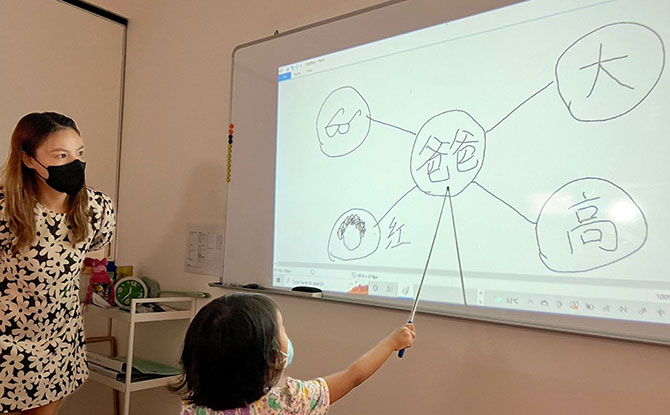
A tailored tuition plan accelerates word learning by aligning instruction with each learner’s current vocabulary gaps, preferred learning modalities, and pace of acquisition yanzi mandarin. The approach identifies target lexicon, sequences items for prime retention, and adapts activities to support personalised pacing. Tutors monitor progress and adjust challenges to sustain student motivation without pressure, preserving autonomy. Tasks emphasize meaningful use in context, enabling learners to select topics that reflect personal freedom and goals. Assessment is formative, frequent, and actionable, guiding decisions about review versus advancement. Resources diversify input—listening, reading, speaking—while avoiding rigid templates. Outcomes focus on usable vocabulary and confidence to experiment with language, so learners gain control over their study and clear routes to independent practice.
Core Techniques for Memorising Characters and Tones
The section outlines practical methods for mastering characters and tones, beginning with attention to character stroke patterns to build accurate writing and visual recognition. It then recommends tone pair drills to strengthen tonal shifts and listening discrimination in everyday speech. Finally, it emphasizes spaced recall practice to consolidate retention and schedule reviews efficiently.
Character Stroke Patterns
Understanding stroke-order patterns helps learners internalize both the visual form and tonal contours of Chinese characters by linking consistent writing sequences to pronunciation cues. The discussion emphasizes stroke order and radical patterns as anchors: recognizing common radicals speeds character recognition and groups related meanings, granting efficient expansion of vocabulary. Stroke rhythm trains motor memory, making recall automatic and freeing cognitive resources for usage and context. Structural balance, the spatial harmony of components, aids legibility and reduces misreading that can hinder comprehension. Practice routines combine guided tracing, focused repetition, and gradual variation in character sets to build durable habits. This approach empowers learners seeking autonomy, enabling steady progress without rigid dependency on classroom schedules or prescriptive drills.
Tone Pair Drills
Linking stroke patterns and radicals to pronunciation naturally leads into focused practice on tonal combinations: tone pair drills train the ear and voice to register and reproduce common two-syllable contours that occur in everyday speech. The practitioner approaches tone pair choreography systematically, selecting high-frequency lexical pairs and isolating shifts in pitch, length, and stress. Exercises alternate listening, mimicking, and controlled repetition, with attention to syllable accentuation and flow smoothness. Feedback is immediate—self-recording or tutor correction—to correct misalignments between intended and produced contours. Sessions are brief, regular, and varied to preserve motivation and a sense of freedom in learning choices. Over time, these drills anchor tonal patterns to character forms, aiding rapid recognition and confident spoken use.
Spaced Recall Practice
Employing spaced recall, learners reinforce characters and tones by revisiting items at increasing intervals aligned to memory decay curves. The approach schedules short, frequent reviews that gradually lengthen, so retention grows while study time shrinks. Practical steps include creating concise cue cards, pairing each character or tone with mnemonic images, and logging successful recalls. Review sessions follow planned recall intervals—minutes, hours, days, then weeks—adjusted to individual progress. Instructors recommend tracking failures to trigger earlier repetition and celebrating milestones to maintain autonomy. A detached, supportive tone emphasizes self-directed pacing: learners choose materials and tempo while relying on structure. Consistent application reduces forgetting, builds confident recognition and pronunciation, and preserves the freedom to expand vocabulary on personal terms.
Designing Lessons to Teach Vocabulary in Context
When designing lessons, instructors prioritize contextualized word lists that group vocabulary by topic and authentic use to aid retention. They pair these lists with meaningful sentence practice that situates new words in natural grammar and communicative functions. This combination supports comprehension, productive use, and smoother transfer to real-life interaction.
Contextualized Word Lists
In planning lessons, teachers should organize vocabulary into contextualized word lists that reflect authentic language use and students’ immediate communicative needs. The lists group items by theme clusters (e.g., travel, food, workplace) while noting register contrasts so learners see formal, neutral, and colloquial options. Each entry includes brief situational cues, common collocates, and pragmatic notes to guide appropriate selection. Teachers prioritize high-utility items and allow learner choice to support autonomy. Regular rotation and recycling guarantee exposure across contexts without mechanical drills. Assessment focuses on flexible use rather than rote recall. Materials remain adaptable: lists can be trimmed or expanded to honor learners’ goals and lifestyles. This approach balances structure with freedom, promoting practical, transferable vocabulary.
Meaningful Sentence Practice
Design lessons that anchor new words in sentences reflecting realistic communicative goals, so learners encounter vocabulary embedded in syntax, pragmatics, and collocation rather than in isolation. The instructor models sentence variety, presenting short exchanges, narrative sentences, questions, and polite requests to show registers and relations. Exercises rotate between controlled repetition and creative production: substitution drills, sentence transformation, and guided composition. Feedback highlights usage nuance—tone shifts, particle choices, and typical collocations—so learners discern acceptable alternatives and constraints. Tasks encourage autonomy: learners adapt model sentences to personal contexts, keeping freedom of expression within accurate patterns. Assessment uses authentic prompts and quick oral checks to confirm recall, fluency, and the ability to manipulate vocabulary in meaningful, communicative ways.
Using Spaced Repetition and Active Recall Effectively
Drawing on proven memory science, spaced repetition and active recall form a compact, complementary system for expanding Chinese vocabulary efficiently. The learner benefits from planned review intervals and active testing, combining techniques like a memory palace for vivid association and interleaved practice to prevent stagnation. This approach supports autonomy: learners schedule reviews, choose material, and track progress.
Visualize each new word in a room of the memory palace
Test retrieval before checking answers, resisting recognition-only habits
Mix vocabulary types through interleaved practice for durable recall
Use short, frequent sessions to respect freedom and reduce fatigue
Gradually widen intervals as retrieval becomes effortless
Consistency, measured effort, and deliberate recall create lasting lexical freedom.
Incorporating Speaking, Listening and Writing Practice
Regularly integrating speaking, listening, and writing practice guarantees vocabulary learned through spaced repetition becomes usable rather than merely recognizable. The learner benefits when lessons include pronunciation games to refine tones and clarity; short drills encourage confident speech and reduce reliance on written cues. Listening exercises using varied accents and authentic dialogues build comprehension and reveal natural word usage. Writing tasks, from sentence construction to brief essays, reinforce meaning and foster active recall in context. Classroom debates provide lively opportunities to apply new terms under pressure, promoting rapid retrieval and flexible expression. The instructor should design concise, voluntary activities that respect autonomy, offering choices in practice modes and pacing so each student can pursue fluent, independent communication.
Tracking Progress and Adapting Your Study Routine
After practicing speaking, listening, and writing, learners benefit from measuring how effectively new vocabulary is retained and used; tracking progress turns activity into measurable growth. A clear progress review habit helps learners stay free to choose methods that work. Regular checkpoints—weekly quizzes, conversational logs, and spaced-repetition data—reveal strengths and gaps. Teachers and learners collaborate to make study adjustments that respect autonomy and momentum. Practical steps make adaptation routine and sustainable:
Review missed words from the week and note contexts.
Record brief spoken reflections to track fluency gains.
Use spaced-repetition statistics to prioritize weak items.
Adjust session length and focus based on energy and goals.
Plan micro-goals that preserve variety and freedom.
Consistent review and nimble study adjustments sustain lasting vocabulary growth.
Frequently Asked Questions
How Do I Choose the Right Textbook for My Dialect Needs?
Choose textbooks aligned with target dialect, prioritizing regional vocabulary and clear pronunciation variations notes; compare sample lessons, teacher recommendations, and flexible learning formats to guarantee autonomy, progressive difficulty, cultural notes, and practical conversational practice.
Can Tutors Help With HSK Exam Vocabulary Specifically?
Yes. Tutors tailor HSK lists, create targeted flashcards and exam style quizzes, track progress, and offer focused practice. They provide structured guidance while encouraging learner autonomy, adapting pace and materials to individual goals and freedom.
What Digital Tools Work Offline for Spaced Repetition?
Anki Mobile and Pleco Flashcards function offline for spaced repetition. They allow custom decks, sync when online, support audio and character recognition, and empower independent learners to control review schedules, pacing, and study freedom.
How Can Parents Support Young Learners at Home?
Parents can support young learners at home by creating short, consistent family routines, offering interactive games for practice, encouraging autonomy, providing gentle feedback, and celebrating progress to foster confidence and a love of independent language exploration.
Is Learning Stroke Order Essential for Typing Practice?
No — stroke mastery aids handwriting and understanding, but it is not essential for typing practice; rhythm practice of character patterns and frequent input method use gives learners freedom to type fluently while optional stroke knowledge enriches accuracy and transfer.
Conclusion
A tailored Chinese tuition plan shapes efficient vocabulary growth by combining targeted techniques, contextual lesson design, and regular practice. Employing spaced repetition and active recall reinforces character, tone, and meaning retention, while integrated speaking, listening and writing activities deepen practical use. Ongoing progress tracking allows timely adjustments to pacing and focus, maintaining motivation and preventing plateaus. With a structured, supportive approach, learners build durable vocabulary foundations that transfer confidently into real-life communication.
In today’s competitive corporate landscape, privacy and energy efficiency are paramount. Many Malaysian corporations are opting for Chiefway Smart Glass, a cutting-edge solution that addresses these concerns.
With enhanced privacy features and energy-saving capabilities smart glass Malaysia, this technology significantly boosts productivity.
This article explores why Chiefway Smart Glass has become a preferred choice for businesses in Malaysia, providing insights through compelling case studies. Join us as we delve into the world of smart glass technology.
Understanding Chiefway Smart Glass
Although it may seem complex at first glance, Chiefway Smart Glass is a groundbreaking technology that corporations in Malaysia are increasingly adopting due to its innovative features and benefits smart glass windows. This digital technology interweaves modern aesthetics with practical functionality, creating an environment that promotes freedom and efficiency in the corporate world.
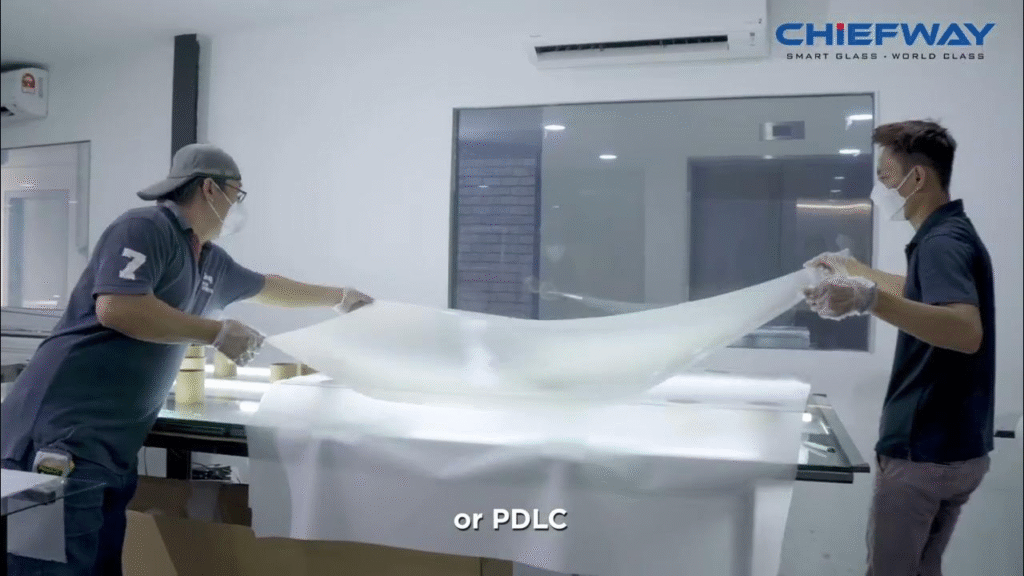
Chiefway Smart Glass employs PDLC (Polymer Dispersed Liquid Crystal) technology that allows the glass to switch from transparent to opaque in mere seconds. This innovative feature offers corporations the freedom to instantly alter the level of privacy within their workspaces, transforming meeting rooms into confidential spaces at the touch of a button.
Moreover, Chiefway Smart Glass can be fully integrated with modern automation systems, providing companies with the freedom to control their environment with ease and precision. This not only enhances productivity but also reduces energy consumption, contributing to greener business operations.
In a world where freedom, flexibility, and innovation are revered, Chiefway Smart Glass offers an advanced solution that is rapidly gaining popularity in Malaysia’s corporate sector. Therefore, understanding this technology is crucial for businesses seeking to stay competitive in today’s digital era.
Privacy Enhancement Capabilities
One of the primary reasons corporations in Malaysia are turning to Chiefway Smart Glass is its remarkable capability to enhance privacy within the workspace. This innovative technology allows for instant transformation from transparent to frosted glass, offering immediate privacy at the flick of a switch. This ensures confidential meetings or sensitive projects can be conducted without fear of prying eyes, thus fostering a culture of respect and discretion.
Furthermore, the adaptability of Chiefway Smart Glass gives employees control over their environment, a factor that greatly elevates their sense of personal freedom. It empowers individuals to manage their personal space according to their needs, whether it’s to concentrate on a demanding task or to simply enjoy a moment of solitude.
Notably, the enhancement of privacy does not compromise the aesthetics of the workspace. Chiefway Smart Glass maintains a modern and sleek appearance, contributing to an inviting and stylish office environment.
Energy Efficiency Benefits
Beyond the realm of privacy, corporations in Malaysia are also gravitating towards Chiefway Smart Glass due to its remarkable energy efficiency benefits. This technologically advanced glass solution has properties that significantly reduce energy consumption, resulting in substantial cost savings.
Chiefway Smart Glass is designed with a special coating that reflects heat during the hot Malaysian summers, thereby reducing the need for air conditioning. In contrast, during the cooler months, this intelligent glass helps retain heat, lowering the cost of heating systems. This dual function embodies the essence of energy efficiency and cost-effectiveness, which is a driving factor for its popularity among Malaysian corporations.
Moreover, the smart glass optimizes natural light usage, reducing reliance on artificial lighting and thereby decreasing electricity expenses. This not only translates to financial savings but also contributes to a greener, more sustainable environment. Given the increasing global emphasis on sustainability, this feature further enhances the appeal of Chiefway Smart Glass.
Impact on Corporate Productivity
Leveraging the energy efficiency of Chiefway Smart Glass, Malaysian corporations are also noticing a considerable impact on their overall productivity. Not only does this innovative solution significantly reduce energy costs, but it also promotes a healthier, more focused work environment by controlling light and temperature.
Research has long established the relationship between workplace environment and employee productivity. By mitigating glare and maintaining a comfortable indoor temperature, Chiefway Smart Glass enhances employee comfort, thus reducing distractions and fatigue. The result is a more focused and productive workforce, capable of driving the corporation’s success.
Moreover, the adaptability of these smart windows allows for customizable lighting and temperature for different sections or rooms, catering to the varying needs of the workforce. This added element of personalization fosters a sense of control and freedom among the employees, further boosting morale and productivity.
In a competitive corporate landscape, every advantage counts. The integration of Chiefway Smart Glass into office design constitutes a strategic investment towards higher productivity. As such, this modern solution is gaining traction among forward-thinking corporations in Malaysia, contributing to their overall growth and success.
Case Studies in Malaysia
In the context of Malaysian corporations, several case studies provide demonstrable evidence of the advantages derived from integrating Chiefway Smart Glass into their office infrastructure.
One such example is the multinational corporation, Teraju Corp. After implementing Chiefway Smart Glass, they reported a significant increase in employee productivity due to the reduced distractions and increased privacy. The glass’s ability to transition from transparent to opaque at a touch of a button provided an ideal environment for focused work and confidential discussions, thus promoting an efficient work culture.
Another case study involves the tech start-up, Innov8. Chiefway’s technology facilitated a dynamic and flexible office layout, catering to their need for adaptable workspaces. The Smart Glass partitions could be instantly transformed into projection screens, enhancing their collaborative work style, and the energy-saving feature reduced operating costs.
These case studies illustrate the tangible benefits of Chiefway Smart Glass adoption, making it a compelling choice for progressive corporations in Malaysia. It offers a technologically advanced and practical solution, improving workplace efficiency and adaptability, while promoting an environment conducive to the freedom and flexibility that today’s workforce craves.
Conclusion
In conclusion, corporations in Malaysia increasingly opt for Chiefway Smart Glass due to its superior privacy capabilities, energy efficiency benefits, and positive impact on productivity.
By integrating this technology, businesses can gain a competitive edge, foster a more efficient workspace, and significantly cut down on energy consumption.
As illustrated by various case studies, the adoption of Chiefway Smart Glass in corporate settings is a strategic investment towards sustainability and improved operational efficiency.