
Effective lizard repellents for Malaysian homes blend pet-safe indoor solutions and durable outdoor options. Indoors, garlic, pepper mixes, botanical sprays and sealed mesh barriers work for low-toxicity control how to get rid of lizards. Outdoors, solar motion units, scented oil perimeters and UV-resistant sprays offer long-lasting protection. Choose chemicals for rapid knockdown, naturals for low risk, and electronics for hands-off areas. Prepare surfaces, seal gaps and follow reapplication schedules. Continue for detailed selection, application steps and local purchase tips.
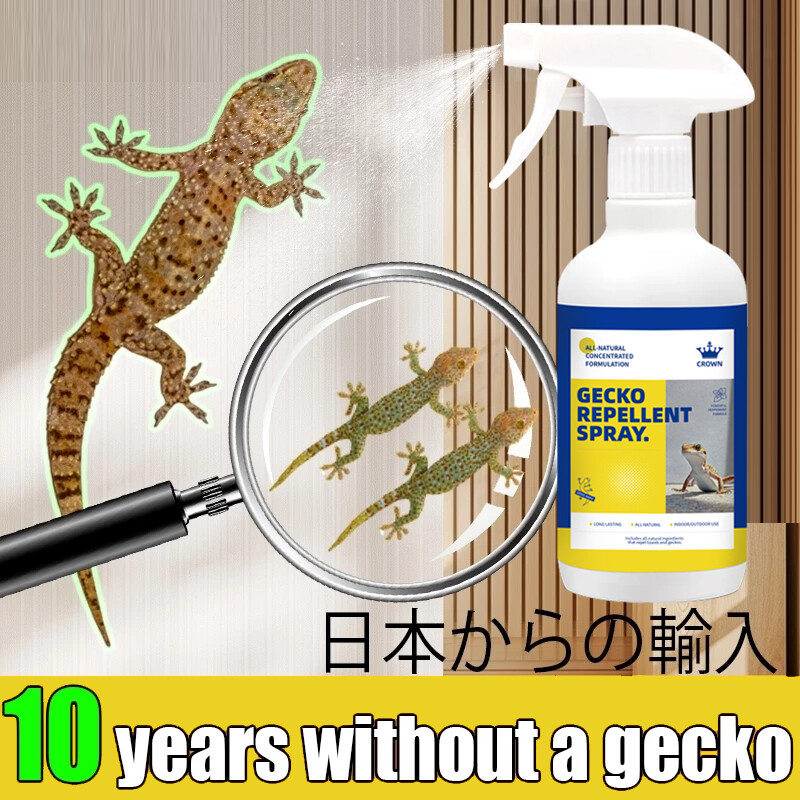
Top Indoor Lizard Repellents That Are Safe for Homes and Pets
In indoor settings where safety and effectiveness are paramount, practical lizard repellents combine non-toxic ingredients and targeted placement to deter geckos without harming pets or household occupants igreenasia. The piece outlines reliable options: natural deterrents such as garlic, pepper, and essential oil mixes placed strategically near entry points; pet safe sprays formulated from water, mild detergent, and approved botanical extracts for periodic misting; and physical barriers like mesh and sealed gaps to deny access.
Instructions emphasize freedom-focused control: occupants may choose DIY mixes or commercial pet safe sprays, apply only where needed, and monitor results. Maintenance guidance covers reapplication schedules and safe storage. The tone remains pragmatic and authoritative, enabling informed, autonomous decisions for indoor lizard management.
Best Outdoor and Long‑Lasting Lizard Repellents for Patios and Gardens
For patios and gardens that demand durable, low‑maintenance solutions, homeowners should prioritize long‑lasting repellents that withstand sun, rain, and wildlife while posing minimal risk to pets and beneficial insects. The best outdoor choices combine robust physical barriers, weatherproof formulations, and targeted placement to protect seating areas, planters, and walls.
Solar powered deterrents offer continuous, low‑effort coverage—motion‑activated units or flashing lights reduce lizard activity without chemicals. Scented barriers using concentrated natural oils provide perimeter protection; they require reapplication schedules tailored to tropical humidity but avoid harming pollinators when used responsibly.
Heavy‑duty mesh, sealed crevice work, and UV‑resistant sprays extend effectiveness. Selection favors products rated for outdoor exposure, clear application instructions, and reversible methods that preserve the garden’s ecology while granting occupants freedom from persistent lizard presence.
How Each Repellent Works and When to Choose It (Chemical, Natural, Electronic)
How does each type of repellent deter lizards and which situations call for one over another?
Chemical mechanisms rely on irritants or neuroactive compounds that disrupt lizard sensory cues; ideal for heavy infestations and outdoor zones needing rapid control, but require cautious use around children, pets, and plants.
Natural efficacy stems from botanical oils, vinegar, and eggshells that mask scents and create discomfort; suited to occupants valuing low-toxicity, indoor use, and maintenance of ecological balance.
Electronic deterrents emit ultrasonic pulses or vibrations targeting lizard sensitivity; best for homeowners seeking hands‑off, non‑chemical options in confined spaces.
Seasonal effectiveness varies: chemicals work year‑round in high activity seasons, naturals need frequent reapplication in wet months, and electronic devices perform consistently but may be less effective in complex outdoor environments.
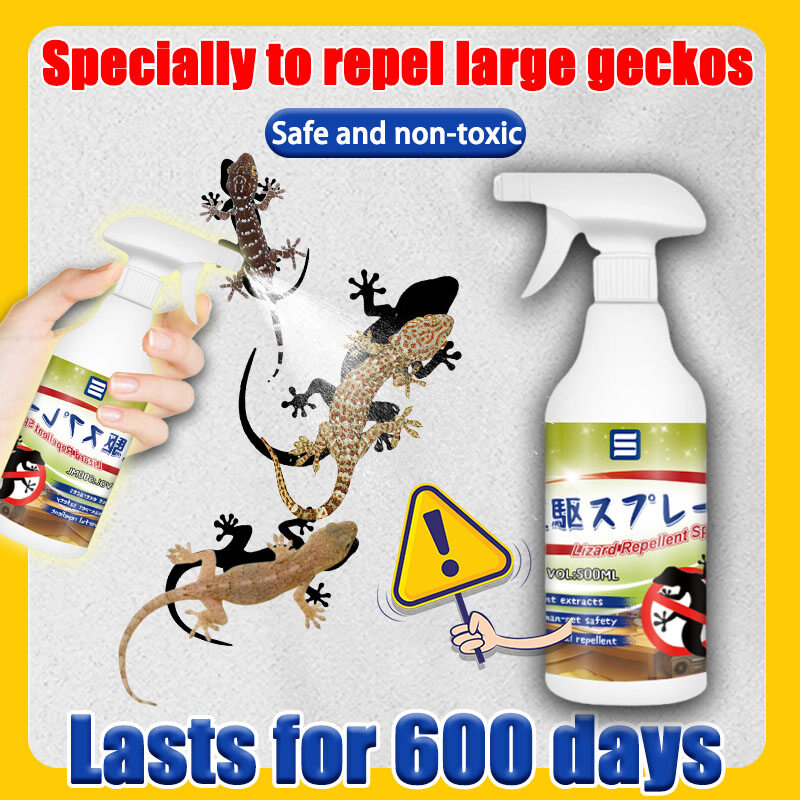
Step‑By‑Step: How to Apply Repellents for Fast, Lasting Results
After selecting the appropriate repellent type, a clear, stepwise application routine guarantees rapid reduction of lizard activity and sustained protection.
The procedure begins with thorough surface preparation: clean, dry, and remove food residues and insect prey. Apply sealant application where gaps permit entry before treating surfaces. Use repellents in thin, even coats and respect label instructions.
- Inspect and prepare surfaces, closing holes and performing surface preparation.
- Apply chemical or natural repellent evenly; allow drying and note timing intervals for reapplication.
- Use repellents rotation monthly to prevent habituation; alternate active ingredients or scents.
- Monitor effectiveness, reapply at prescribed timing intervals, and reseal gaps as needed.
This methodical approach preserves freedom of movement while ensuring lasting deterrence.
Where to Buy These Repellents in Malaysia and How to Compare Prices
In Malaysia, repellents are widely available through hardware stores, garden centres, major supermarket chains, and online marketplaces such as Shopee, Lazada and local e‑commerce sites; buyers should prioritize authorised retailers and product pages that list ingredients, concentration, and expiry to verify authenticity.
Comparison should begin with unit price per millilitre or per sachet and active ingredient percentage; factor in coverage area and recommended reapplication interval.
Check seller ratings, return policy, and verified purchase reviews on online marketplaces.
For bulk or commercial needs, request safety data sheets and distributor credentials from suppliers.
Consider bundled kits or refill options to reduce long‑term cost.
Keep receipts and photograph batch codes for warranty claims.
Choosing trusted channels guarantees efficacy, safety, and freedom from counterfeit products.
Conclusion
Briefly, homeowners in Malaysia can manage indoor and outdoor lizard problems effectively by choosing repellents suited to setting and risk factors. For indoor areas and pet-safe needs, natural sprays and physical barriers are preferred; outdoors, long‑lasting chemical treatments or electronic deterrents work best. Understanding mode of action, proper application, and local availability guarantees faster, durable results. Regular inspection, correct placement, and product comparison will maintain control while minimizing harm to people and wildlife.